icon-account icon-glass

Popular Products

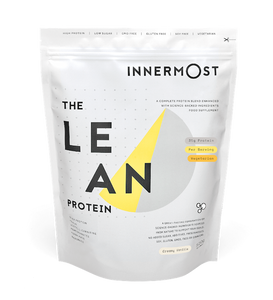
The Lean Protein
Whey protein powder for weight-loss.
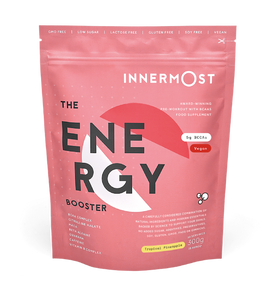
The Energy Booster
Pre/intra-workout powder with BCAAs.

Health:

Fibre
Within the fitness space there can be a tendency to think of fibre as something that’s just functional. Important, of course, but often its impact is only framed around digestion. In reality, fibre plays a far broader role in how your body performs and how you feel day to day, influencing variables like energy stability and appetite regulation through to long-term metabolic health. For anyone already investing in their training, recovery, and overall wellbeing, a high fibre diet matters more than you might think. It’s one of the simplest ways to bring more consistency to your nutrition, without adding complexity. In this guide, we’ll take a closer look at what fibre does, why it matters, and how to build a high fibre diet in a way that fits naturally into your routine. What is fibre and why it matters Fibre is a type of carbohydrate that is naturally sourced from foods like wholegrains, beans, nuts and more. At its core, dietary fibre is the part of plant foods your body can’t fully digest. Rather than being absorbed, it moves through the digestive system, interacting with everything along the way. This process is what makes fibre so valuable. It slows digestion, supports beneficial gut bacteria, and helps regulate how nutrients enter the bloodstream. Over time, these effects compound, influencing energy levels, hunger signals, and metabolic health. It’s worth understanding that fibre isn’t one single thing, and while it is often grouped together, different types have different roles. Broadly, fibre falls into two categories: Soluble fibre: This dissolves in water and forms a gel-like substance, helping to slow digestion and regulate blood sugar and cholesterol. Insoluble fibre: This adds bulk and supports regular movement through the digestive system. Most whole foods contain a combination of both, which is why variety matters more than focusing on a single source. Why intake is often lower than expected You might read this and think you’re easily hitting your daily fibre requirements. Yet, even among people who eat relatively well, fibre intake tends to fall short. In the UK, the recommendation sits at around 30g per day, yet average intake is closer to 18–20g. This isn’t usually down to poor habits. More often, it reflects modern eating patterns: A strong focus on high-protein meals can reduce the variety of plant foods in a diet, lowering fibre intake over time. A reliance on staples like white bread and pasta contain less fibre than wholegrain alternatives, making fibre intake harder to reach. Quick, convenient meals often lack the whole ingredients needed to support adequate fibre intake. The result isn’t a complete absence of fibre, but it does lead to a gradual shortfall below the 30g recommendations. Each meal might seem balanced in isolation, but across a full day or week, intake consistently sits below where it needs to be. The Key Benefits of a High Fibre Diet  A high fibre diet supports several key areas of health at the same time: Gut health and microbiome support As previously mentioned, fibre’s most recognised role is in digestion, but its impact actually goes deeper than that. Certain fibres act as prebiotics, feeding beneficial gut bacteria. These bacteria produce compounds known as short-chain fatty acids (SCFAs), including butyrate, which plays a role in maintaining the integrity of the gut lining and regulating inflammation. A 2019 review published in The Lancet found that higher dietary fibre intake was consistently associated with improved gut health markers and reduced risk of several chronic conditions. The key takeaway wasn’t a single “superfood”, but the cumulative effect of consistent fibre intake over time. There’s also increasing interest in how microbiome diversity influences overall health. A more varied intake of fibre tends to support a more diverse gut environment, which is linked to better resilience and function. For those looking to improve their training routines and hit new PBs, a well-functioning gut is central to recovery. This is because fibre supports the gut environment, which in turn affects how efficiently nutrients are absorbed. More stable energy levels When it comes to your energy, it isn’t just about calorie intake. It’s also key to ensure your body can effectively process these calories. This is where fibre can be highly beneficial. This is because fibre slows the digestion of other carbohydrates, leading to a more gradual release of glucose into the bloodstream. This helps avoid the sharp spikes and dips that can come from highly refined meals. Studies also show that diets higher in fibre are associated with improved glycaemic control, even in otherwise healthy individuals. In practical terms, this often leads to: More consistent energy across the day Fewer mid-afternoon crashes Reduced reliance on quick fixes like sugar or caffeine For those balancing work, training, and recovery, the more stable blood sugar levels provided by fibre mean more consistent energy availability. This can translate into better training sessions, particularly for longer or more demanding workouts. Appetite regulation High fibre foods tend to be more filling due to their volume and slower digestion. At the same time, they influence hormones involved in hunger and fullness, including ghrelin and peptide YY. There’s also a hormonal aspect to this. Fibre-rich foods can influence the release of satiety hormones, helping your body better recognise when it’s full. This creates a more sustainable approach to body composition. Instead of relying on weight loss restriction, your diet supports appetite regulation more naturally. Heart Health and Long-Term Outcomes In addition to the shorter-term health and wellness benefits, fibre intake also has a beneficial impact on long-term health. Soluble fibre, in particular, has been shown to help reduce LDL cholesterol by binding to cholesterol in the digestive system and aiding its removal. Large cohort studies have consistently linked higher fibre intake with a reduced risk of cardiovascular disease and type 2 diabetes. This is partly due to improved blood sugar regulation and partly due to the broader metabolic benefits of a fibre-rich diet. One study in particular by the BMJ found that each additional 7g of fibre per day was associated with a 9% reduction in cardiovascular disease risk. These outcomes aren’t immediate, but they reinforce the role of fibre as a long-term investment in health. High Fibre Diet Foods We’ve written about his previously (see here for our guide on high fibre foods) but in short, building a high fibre lifestyle doesn’t require a complete overhaul of your current diet. It’s instead about increasing variety and making more intentional choices within your existing routine. Below we have outlined some key foods that can help increase fibre intake. Whole grains Oats, brown rice, quinoa, and wholegrain bread provide a steady source of fibre while supporting sustained energy. They’re an easy upgrade from refined grains and tend to be more filling. Fruits and vegetables Eating more fruit and vegetable is one of the simplest ways to raise fibre intake. A useful approach is to focus on variety: Berries and apples for convenience Leafy greens for micronutrient density Root vegetables for more substantial meals Legumes Lentils, chickpeas, and beans are among the most fibre-dense foods available. They also provide plant-based protein, making them particularly useful in meals focused on satiety and recovery. Nuts and Seeds Chia seeds, flaxseeds, and almonds offer a concentrated source of fibre and can be added easily to meals. Even small additions, such as a tablespoon of seeds in a breakfast or smoothie, can make a difference over time. A Smarter Way to Think About Fibre Fibre doesn’t need to be treated as a standalone goal. It works best as part of a balanced, well-structured approach to nutrition - one that supports how you feel day to day, not just how you perform in the odd moment. For most people, that starts with whole foods. Building meals around plant variety, whole grains, and consistent habits. From there, the role of supplementation becomes more effective. The Innermost approach reflects that balance. Products like The Greens Blend can help support daily plant intake and micronutrients, while products such as The Lean Protein fit alongside a diet that prioritises both protein and fibre, rather than one at the expense of the other. Building a high fibre diet isn’t about adding or overhauling, instead It’s about making those small adjustments that bring more consistency to your routine. Over time, those shifts tend to have the biggest impact - not just on digestion, but on how your body feels, performs, and recovers. References Renolds, A., Mann, J., Cummings, J., Winter, N., MDiet, E., Morenga, L. (2019). Carbohydrate quality and human health: a series of systematic reviews and meta-analyses. The Lancet. 393 (10170), 434-445. Click here.  NHS UK. How to get more fibre into your diet. Click here.  Hullings, A., Sinha, R., Liao, L., Freedman, N., Graubard, B., Loftfield, E. (2020). Whole grain and dietary fiber intake and risk of colorectal cancer in the NIH-AARP Diet and Health Study cohort. The American Journal of Clinical Nutrition. 112 (3), 603-612. Click here. Threapleton, D., Greenwood, D., Evans, C., Cleghorn, C., Nykjaer, C., Woodhead, C., Cade, J., Gale, C., Burley, V. (2013). Dietary fibre intake and risk of cardiovascular disease: systematic review and meta-analysis. BMJ.347. Click here. Read more
The Complete Guide to Digestive Enzymes
How you digest your food has a direct impact on how you perform, recover and feel day to day. It’s not just about what you eat, but how well your body is able to break it down and use it. A heavy feeling after meals, inconsistent energy, or food that doesn’t quite sit right (on top of being uncomfortable) can all point back to how well your body is breaking things down. Digestive enzymes play a central role in this process. They’re responsible for breaking down the food you eat into forms your body can absorb and use. When that process runs smoothly, there’s a noticeable difference in how you feel day to day. To clear up any confusion around digestion, this guide explores digestive enzymes in detail - what they are, what they do, where they’re produced, and how they fit into a modern, performance-led lifestyle. Shall we get into it? What are digestive enzymes? Digestive enzymes are specialised proteins that help break food down into smaller molecules that can be absorbed through the gut lining. Without them, even the most nutrient-dense diet would be difficult for the body to utilise effectively. The process itself is highly coordinated. Enzymes are released at different stages of digestion, working in sequence to ensure food is progressively broken down as it moves through the digestive tract. Put simply, digestive enzymes are what bridge the gap between what you eat and what your body actually gains from it. As you would expect, this can directly impact your fitness as well as your mood. Types of digestive enzymes and what they do Digestive enzymes are typically grouped into 3 core segments based on the nutrients they target. Amylase (Carbohydrates): Amylase breaks down complex carbohydrates into simpler sugars. It begins its work in the mouth and continues in the small intestine. Protease (Protein): Protease enzymes reduce proteins into amino acids. This is particularly relevant for those consuming higher-protein diets, as efficient breakdown supports recovery and muscle repair. Lipase (Fats): Lipase breaks down fats into fatty acids and glycerol. These components are essential for energy production and overall metabolic function. This breakdown is essential because nutrients cannot be absorbed in their original form. If digestion is incomplete, absorption becomes less efficient. Other enzymes, such as lactase, play more specific roles, for example helping to digest lactose found in dairy products. Together, these enzymes form a system that adapts to the composition of each meal. Research also highlights the link between digestion and how much of these nutrients your body can actually use. A study published in the American Journal of Clinical Nutrition for example highlights that effective protein digestion and amino acid absorption play a key role in muscle repair and recovery after exercise. For anyone training regularly or focusing on performance, this becomes especially important. It’s not just about what you eat, but how well your body is able to make use of it. Where Are Digestive Enzymes Produced? Digestive enzymes are produced throughout the digestive system, with each stage contributing to the overall process. The mouth Digestion first begins with chewing. The salivary glands release amylase, an enzyme that starts breaking down carbohydrates before food is even swallowed. This early stage is often overlooked, but it plays an important role in preparing food for the next steps. The stomach The stomach next combines gastric acid with enzymes such as pepsin, which begins the breakdown of proteins. This stage is less about complete digestion and more about creating the right conditions for further processing. The pancreas The pancreas is responsible for producing the majority of digestive enzymes, including amylase, protease and lipase. These are released into the small intestine, where most digestion takes place. Clinical research has shown how central this role is. Conditions that impair pancreatic enzyme production, such as exocrine pancreatic insufficiency, can significantly reduce nutrient absorption and lead to noticeable digestive symptoms. The small intestine The small intestine completes the process. Additional enzymes help finalise digestion, allowing nutrients to pass through the intestinal wall into the bloodstream. Enzyme production across these stages can vary depending on diet, stress levels and overall gut health. This is why your digestion doesn’t always feel consistent, and some days can feel more comfortable than others. Signs your digestion may not be working optimally Some of the more common signs that digestion may not be working as efficiently include: Bloating or discomfort A feeling of heaviness, particularly after larger meals Sluggishness or dips in energy following eating Gut sensitivity to certain foods These experiences are relatively common and often reflect how digestion is responding to day-to-day habits. Below are some of the key reasons why your digestive system may not be operating effectively. Eating quickly or on the go can limit how effectively digestion begins, particularly in the mouth where enzymes first start working. Stress can also play a role. When the body is in a more alert or pressured state, digestion is not the priority, which can affect how efficiently food is broken down. Higher protein diets are increasingly common, particularly among those training regularly. While beneficial, protein requires more extensive digestion, placing greater demand on enzyme activity. Fewer whole foods and less plant diversity may influence how the digestive system responds over time. Foods high in digestive enzymes So, for those looking to improve digestion by adding more digestive enzymes to your diet, how do you go about doing it? While your body produces its own digestive enzymes, certain foods also contain naturally occurring enzymes that can support the digestive process. These tend to be most active in raw or minimally processed forms and can complement a balanced, varied diet. Some of the more commonly referenced foods include: Pineapple (Bromelain – Protease): Pineapple contains bromelain, which has been studied for its role in helping break down protein. It is often associated with supporting protein digestion. Papaya (Papain – Protease): Rich in papain, papaya is another enzyme that assists with protein breakdown. It’s frequently used in both digestive support and food preparation. Mango (Amylase – Carbohydrates): Mango contains amylase enzymes that help break down complex carbohydrates into simpler sugars, particularly as the fruit ripens. Bananas (Amylase & Maltase – Carbohydrates): Provide enzymes that support carbohydrate digestion, especially when ripe. Avocado (Lipase – Fats): Contains lipase, which plays a role in breaking down fats into fatty acids. These foods can play a useful role in supporting digestion as part of a broader diet. However, their enzyme content can vary depending on factors like ripeness, storage and preparation, and they don’t always provide consistent or targeted support on their own. In those situations, you might also look at targeted digestive enzyme supplements that can provide a more consistent and concentrated level of enzyme activity alongside meals, supporting the breakdown of proteins, carbohydrates and fats more reliably than food sources alone. Digestive enzyme supplements The key to effective digestive enzyme supplementation is choosing a well-formulated option that combines a broad range of enzymes with a clean ingredient profile. Case in point: supplements like Innermost’s The Digest Capsules are built with this in mind, offering a considered blend that fits easily into a daily routine and works alongside your existing nutrition rather than replacing it. For those considering digestive enzyme supplements, how and when they’re used can influence their effectiveness. Before or with meals Digestive enzyme supplements are typically taken just before or alongside meals, allowing them to act as food is being broken down. Around larger or harder-to-digest meals Meals that are higher in protein, fats or overall volume can place greater demand on digestion. This is often where additional supplementation can be beneficial. Fitting into your routine How and when you use digestive enzymes will depend on your routine, your diet and how your body responds. Rather than following a fixed structure, it often makes more sense to take a flexible approach. Used consistently or as needed, they should fit seamlessly into your day, supporting digestion without adding unnecessary complexity. Supporting your digestion effectively Digestive enzymes play a fundamental role in how your body processes food and accesses nutrients. When digestion is working well, the impact is often felt across energy, recovery and overall wellbeing. While your body naturally produces these enzymes, factors like diet, lifestyle and routine can influence how consistently that process runs. In those moments, small adjustments - whether through food choices or more targeted supplementation - can make a noticeable difference. For those considering supplements, a well-formulated option such as The Digest Capsules can provide a simple, reliable way to support digestion alongside your daily routine. References Leidy, H., Clifton, P., Astrup, A., Wycherley, T., Westerterp-Plantenga, M., Luscombe-March, N., Woods, S., Mattes, R. (2015). The role of protein in weight loss and maintenance. Am J Clin Nutr. 101(6). Click here.  Ni, W., Hutagalung, A., Li, S., Epstein, H. (2011). The myosin-binding UCS domain but not the Hsp90-binding TPR domain of the UNC-45 chaperone is essential for function in Caenorhabditis elegans. J Cell Sci. 124(18). Click here. Pavan, R., Jain, S., Shraddha., Kumar, A. (2012). Properties and Therapeutic Application of Bromelain: A Review. Biotechnol Res Int. Click here. Read more
Halal Collagen Cover Image
Collagen has become a staple in many modern wellness routines, used to support everything from skin health to recovery and joint function. But as its popularity has grown, so too has the need for greater clarity around what’s in these products - and how they’re made. Case in point - halal collagen. Unlike other supplement ingredients, collagen is typically derived from animal sources. This makes its suitability under halal dietary guidelines less straightforward. Two collagen powders may look almost identical on the surface, yet differ significantly in how they are sourced, processed, and certified, meaning that one might be halal compliant and the other not so much. For anyone looking to incorporate collagen supplements into their routine, understanding these differences matters. This guide breaks down what exactly makes collagen halal and non halal, where confusion often comes in, and how to choose a supplement that aligns with both your values and your expectations for quality. What is halal collagen? Halal collagen refers to collagen that has been produced in accordance with Islamic dietary laws. While the term “halal” is often associated with food, the same principles apply to supplements, including collagen powders and capsules. In practice, this means that halal collagen must meet specific criteria across its entire lifecycle - not just in its final ingredient form. What makes collagen halal certified? Determining whether collagen is halal goes far beyond scanning an ingredient label. Collagen itself is most sourced from bovine (cow) or marine (fish) origins. Whether either is considered halal depends not only on the source, but on how it has been handled from extraction through to final production. Halal sourcing The sourcing of collagen is the first step to halal certification. Firstly, for a collagen product to be halal it must be sourced from a halal permissible animal such as cattle (bovine collagen) or fish (marine collagen). For bovine collagen, animals must be raised and slaughtered according to halal principles and Islamic rites collectively known as Zabiha. This includes: Invocation of Allah's name (Tasmiyyah) at the moment of slaughter. A swift cut to the throat to ensure humane treatment. Slaughtering conducted by a sane adult Muslim. The animal must also be healthy at the time of slaughter. Without the above considerations, collagen supplements cannot be considered permissible, regardless of quality. Halal processing Processing is the next critical factor in halal collagen certification. Collagen extraction often involves enzymes or chemical treatments to isolate and refine the protein. This hydrolysis process often uses enzymes to break down collagen into peptides. These enzymes must be plant-based (e.g., papain) or sourced from halal-certified animals; porcine-derived enzymes (like porcine trypsin) are forbidden. If any of these substances are derived from non-halal sources, the integrity of the product is compromised. Any solvents or processing aids used during extraction must also be free from ethanol or other non-halal alcohols. Halal collagen certification also ensures that no prohibited additives, such as non-halal gelatine carriers or animal-based anti-caking agents, were introduced during the manufacturing process. Halal Manufacturing Manufacturing standards are also highly important in making collagen supplements halal certified. Even when ingredients are halal, shared facilities or inadequate controls can introduce cross-contamination. As such, the manufacturing of halal collagen must follow the below guidelines: Non cross contamination: certified products are produced under strict conditions that ensure separation from non-halal substances throughout production, storage, and packaging. Complete surface cleaning: If a facility handles both Halal and non-Halal products, a rigorous, religiously supervised deep cleaning (often called Samak or Taharah) must occur between runs. Auditors must verify that no "Najis" (unclean/prohibited) residues remain. Common Misconceptions About Halal Collagen As collagen has become more widely used, a number of assumptions have emerged around its suitability within a halal diet. These are some of the most common. Collagen is Halal be default: because collagen is a natural protein, it’s easy to assume it meets dietary requirements. In reality, its origin and processing determine whether it is permissible. Marine collagen is always halal: While often suitable, this still depends on how the collagen is produced and whether non-halal substances are introduced during processing. Hydrolysed collagen is always halal: As with other forms of collagen, halal permissibility depends entirely on its source and production. There is also a tendency to equate “clean” or “natural” products with halal compliance. While these qualities can overlap, they are not the same. A supplement may be free from additives and still not meet halal standards. Benefits of halal collagen When halal collagen is produced with quality and integrity in mind, it can support a range of wellness goals. While we’ve spoken about these before, however below are some of the key benefits of halal collagen: It plays a role in maintaining skin structure and elasticity. Supports joint function and contributes to recovery following physical activity. They form part of a broader approach to looking, feeling, and performing at their best. These benefits are closely linked to how the collagen is sourced and formulated. Products that prioritise transparency, clean processing, and effective formats - such as hydrolysed collagen peptides - are more likely to deliver consistent results. For those seeking halal collagen supplements, this alignment between quality and compliance becomes key. How to choose a halal collagen supplement? Choosing a halal collagen powder or supplement should feel straightforward, but in practice it often requires a closer look. Below are some of the key things you should look for when purchasing halal collagen supplements: Certification is the most reliable starting point. A recognised halal certification confirms that the product has been assessed across sourcing, processing, and manufacturing. Clear information about where the collagen is sourced and how it is produced can indicate a more considered approach to formulation. The type of collagen also matters. Hydrolysed collagen peptides are widely used because they integrate easily into daily routines and are readily utilised by the body. The overall experience of the product. Taste, mixability, and ease of use all contribute to whether a supplement becomes part of a consistent routine - which is ultimately where results are seen. Is Innermost halal? In short, yes. Innermost products are halal certified, meaning they meet strict standards across sourcing, processing, and production. This ensures that every stage of development aligns with halal requirements. Innermost’s The Glow Blend contains high quality halal certified hydrolysed bovine collagen peptides and is formulated to support your skin and overall wellbeing, with extra nutrients like hyaluronic acid, vitamin C, biotin and folate. Alongside certification, our Innermost proteins and supplements focuses on clean, effective formulations designed to support real results. We prioritise ingredient quality, avoid unnecessary additives, and create products that fit seamlessly into everyday routines. If you’re looking for a collagen supplement that aligns with both your nutritional goals and your values, explore the Innermost range to find a halal-certified option that fits seamlessly into your routine. References Permadi, S., Ujilestari, T., Hakim, L et al. Characteristics and Applications of Collagen from the Animal By-Product as a Potential Source for Food Ingredients. Permadi et al. Reviews in Agricultural Science. 2024, 327-346. Click here. Aslan., H. The influence of halal awareness, halal certificate, subjective norms, perceived behavioral control, attitude and trust on purchase intention of culinary products among Muslim costumers in Turkey. International Journal of Gastronomy and Food Science. 2023. Click here. Schmidt, M. M. et al. Collagen extraction process. International Food Research Journal. 2016. Click here. Read more
The Ingredient We Almost Didn't Put In The Energy Booster
There's a question we ask about every ingredient before it goes into a product. Not "is this trending?" Not "does it look good on the label?" Just: does the evidence actually support putting this in? Most of the time, that question is straightforward. Either the research is there or it isn't. But occasionally you land on an ingredient where the science says yes and something else gives you pause. That's where formulation gets genuinely interesting. Beta alanine was one of those decisions. What Beta Alanine Actually Does Most people who've taken a pre-workout have felt beta alanine without knowing it. It's the ingredient responsible for the tingling sensation you get in your face, your neck, your hands. That feeling has a name: paraesthesia. It's harmless. But it's also the reason we nearly left beta alanine out. Before I get to that, the science. Beta alanine is a non-essential amino acid. On its own, it doesn't do very much. But inside muscle tissue, it binds with another amino acid called histidine to form something called carnosine. And carnosine is where the real work happens. During intense exercise, your muscles produce hydrogen ions as a byproduct of energy production. It's the build-up of those hydrogen ions, not lactic acid as most people think, that causes the burning sensation and the drop-off in performance. Carnosine acts as a buffer. It mops up those hydrogen ions and delays the point at which fatigue kicks in. The research on this is substantial. A 2012 meta-analysis published in the journal Amino Acids, covering over 40 studies, found that beta alanine supplementation consistently improved exercise capacity, particularly in high-intensity efforts lasting between one and four minutes. The effect size was meaningful and reproducible. This wasn't a promising pilot study. It was a decade of accumulated evidence pointing in the same direction. In practical terms: more reps before failure. More output before you hit the wall. Sustained performance over a longer window. So why the hesitation? The decision we almost got wrong The tingling. Not because it's dangerous. It isn't. The paraesthesia from beta alanine is a well-understood pharmacological response and there is no evidence of harm at the doses used in supplementation. But we had a real concern: if someone takes The Workout Blend for the first time and feels an unexpected tingling in their face, and nobody told them it was coming, we've just lost their trust. Possibly permanently. The easy path was to leave it out. Plenty of pre-workout formulas do exactly that, either because they're being cautious or because they want a smoother consumer experience. No ingredient, no explanation required. We talked about it a lot. And the conclusion we kept coming back to was this: removing an ingredient with strong evidence because it might confuse people is not how we want to make formulation decisions. That's the same logic that leads brands to include ingredients with weak evidence because they're more familiar, more comfortable, more sellable. The answer wasn't to remove it. The answer was to be upfront about it. The tingling means the beta alanine is working. It's a real physiological response to a real ingredient doing a real thing. If we believe in the science, we include the ingredient and we explain what's happening. That felt like the right standard to hold ourselves to. What the rest of the market does Most pre-workout formulas fall into one of two categories.The first is the stimulant-heavy formula. Stacked with caffeine at doses that produce a short spike, a noticeable crash, and not much else underneath. These sell well because the immediate sensation of energy feels like evidence that something is working. It often isn't, not in any meaningful physiological sense beyond what caffeine alone would do. The second is the proprietary blend. A long list of ingredients with no disclosed amounts, making it impossible to know whether any of them are present at doses that match the research. Proprietary blends let brands list an ingredient without committing to a dose that would actually work. Both approaches optimise for perception. Neither optimises for performance. What I'd recommend The Energy Booster (soon to be renamed to The Workout Blend) contains beta alanine alongside citrulline malate, which supports nitric oxide production and blood flow during training, BCAAs at a 2:1:1 ratio to safeguard lean muscle, and natural caffeine from guarana for sustained energy without the spike you get from synthetic sources. The formulation is built around what the research supports at doses that match the evidence. If you feel the tingling the first time you take it, that's the beta alanine. It's normal, it fades within 20 minutes or so, and it's a sign the formula is doing what it's supposed to do. Read more
Our Top Tips For Maintaining A Healthy Daily Wellness Routine
Start Your Day Right; My Morning Routine
There’s one thing I do every morning before coffee, before training, before emails. It’s not a supplement stack or a ritual I’ve copied from someone else. It’s how I hydrate. Most of us have been told the same thing for years.Drink more water. Carry a bottle. Aim for eight glasses a day. And to be fair, that advice isn’t wrong. Being under-hydrated doesn’t help anyone. But here’s the part that rarely gets talked about. A lot of people are drinking plenty of water and still feeling flat. Low energy. Headaches. Muscle cramps. Poor recovery from training. That mid-afternoon slump that no amount of coffee seems to fix. The issue isn’t always how much water you’re drinking. It’s whether your body can actually use it.   Hydration isn’t just about water At a physiological level, hydration is about moving water into cells and keeping it there. That process depends on electrolytes. Sodium, potassium, magnesium and chloride help regulate fluid balance, nerve signalling and muscle contraction. They’re what allow water to be absorbed, distributed and retained where it matters. When those minerals are low, water tends to pass straight through you. You can drink glass after glass and still be functionally under-hydrated at a cellular level. That’s why “drink more water” sometimes feels like advice that never quite lands.   Why this is more common than people realise Modern life quietly stacks the odds against proper hydration. Most of us drink filtered water, which removes contaminants but also strips out naturally occurring minerals. We train hard. We sweat. We drink coffee. We travel. We live under fairly constant cognitive and emotional stress. None of that is a problem on its own. But together, it increases mineral turnover without most people ever consciously replacing what’s lost. The result isn’t dramatic dehydration. It’s low-grade depletion. It shows up subtly, not as thirst, but as things feeling harder than they should.   What this looks like in practice You might recognise some of this: Needing caffeine to feel switched on Headaches despite “hydrating” Tight calves or hamstrings during training Feeling flat or foggy in the afternoon Poor recovery between sessions None of these are red flags on their own. But together they often point to hydration that isn’t quite doing its job.   What I do personally Most mornings, the first thing I drink is water with electrolytes. Not because it’s trendy.Not because I’m trying to biohack anything. But because it works. Over time, I noticed more consistent energy, better training sessions, fewer headaches and improved recovery, especially in hot climates or high-stress periods. It became part of my baseline rather than something I reached for only after sweating buckets. That’s also why we created The Hydrate Blend. Not as a sugary sports drink. Not as something reserved for endurance athletes. But as a clean, balanced electrolyte designed for daily use. No artificial sweeteners. No excessive sugar. No synthetic ingredients. All the 6 electrolytes your body needs (not just magnesium, potassium and sodium), in ratios that make sense.   Hydration as Infrastructure I don’t think of hydration as a supplement. Think of it as infrastructure. Just like protein supports muscle, and sleep supports recovery, hydration underpins pretty much everything else you’re trying to do. Training quality. Focus at work. Mood. Recovery. When hydration is off, everything else feels like more effort. When it’s right, you don’t notice it. Things just run more smoothly. That’s usually the sign you’ve got the basics covered. This isn’t about overthinking things You don’t need to track electrolytes obsessively or turn hydration into another source of stress. For most people, it’s as simple as being intentional at the moments that matter most. First thing in the morning. Before training. After heavy sweating. During travel. Those are the points where supporting hydration tends to have the biggest return.   A Simple Experiment If what I’ve said resonates with, try a small change for a week. Start your day with water plus electrolytes.Then pay attention to your energy, training quality and recovery.Notice how you feel in the afternoon compared to usual. No need to force more water than feels natural. Just hydrate a little smarter. Habit hack: keep your box of The Hydrate Blend on your bedside table so it’s the first thing you reach for when you wake up. Read more
Soy Free Protein
Protein supplements have long been the star of the nutrition game and with the market size projected to more than double by 20331, there are more options available than ever before. Gone are the days of whey or the highway (sorry), with a wider range of protein sources than ever before to choose from on today’s shelves. For one reason or another, soy protein isn’t an option for many people - so what are the alternatives and what benefits do they offer? We’ll answer both of those questions, and more, in this blog. Why choose a soy free protein? There are several reasons someone might opt for a non-soy protein option, some of the most common include: Allergies and intolerances - soy is one of the major food allergens and many people choose to avoid it in their diet. Nutritional value - some studies have found soy protein to have less of an impact on body composition2 than some other protein sources. Digestibility - soy can be difficult to digest3, which can cause discomfort, bloating and other gut health issues. Hormones - whilst research doesn’t support these claims, some people have concerns about the possible hormonal effects of soy4 for both men and women. Dietary preferences - aside from allergies and intolerances, some people choose to avoid soy for reasons like taste or texture. Soy free protein powder & nutritional benefits If you’re one of the many people who abstain from soy, fret not. There are many non-soy protein options out there for you, and many of these offer comparable or better levels of nutrition.  Soy free protein amino acid profile Soy is a complete protein - meaning it provides all nine essential amino acids - but there are several other complete proteins out there for you to choose from. Whey, pea and egg white proteins also contain these essential amino acids, albeit in different densities. Digestibility As soy can be hard to digest for some, other ‘gentler’ vegan options such as pea or rice proteins are a popular choice. Micronutrient coverage Aside from the obvious protein content, a lot of soy free options offer a wide range of extra micronutrients which can be a nice bonus. For example, hemp protein offers omega-3s and fibre5, whilst pea protein is a great source of iron6.  Is soy protein gluten-free? Yes! Soy protein is naturally gluten free, but it is not the only GF protein source. Many whey proteins are gluten free, as are other vegan protein blends. Just make sure you check the specific nutritional information for any product you choose, if gluten is a no-go for you.  Comparing soy free protein powder options Whey protein Whey protein is by far the most commonly used protein source for supplements - and for good reason. Whey is a complete protein with a high concentration of protein7 per serving and is typically one of the more affordable options.  It’s so good, in fact, that we use it as the source for both The Strong Protein and The Lean Protein at Innermost - two protein supplements with a bunch of other nutritional goodies packed in.  Pea & brown rice protein Looking at non soy vegan protein options, pea protein and brown rice protein both offer good nutritional value but together they are even stronger. Pea protein is high in BCAAs (especially leucine) and brown rice protein has a little more methionine – together they fill any nutritional gaps the other has to offer a great complete protein option. Our vegan protein powders are powered by pea and brown rice protein, including The Health Protein and The Fit Protein. How to choose the right soy free protein powder Whichever brand or soy free protein product you decide to go with, there’s a few key things to keep in mind before you hit purchase. Check for soy free and allergen free labelling (you can never be too careful if allergies are at play) Look for complete amino acid profiles for best results Consider your goals vs what the product offers Choose transparent, minimal ingredients lists where possible Whichever one you choose, opting for a soy free protein is a great idea if you’re looking for better digestibility, fewer allergens and wider nutritional benefits. If you’re still unsure, take a look at our range of protein powders to find which one might suit you best – we’re confident you’ll find your perfect one. References 1. Grand View Research (2023) Protein supplements market size, share & trends analysis report. Click here. 2. Piri Damaghi M, Mirzababaei A, Moradi S, Daneshzad E, Tavakoli A, Clark CCT, Mirzaei K. Comparison of the effect of soya protein and whey protein on body composition: a meta-analysis of randomised clinical trials. Br J Nutr. 2022 Mar 28;127(6):885-895. doi: 10.1017/S0007114521001550. Epub 2021 May 11. PMID: 33971994. Click here. 3. Nutritional Weight & Wellness (2024) Is Soy Good For You? Click here. 4. Kurzer MS. Hormonal effects of soy in premenopausal women and men. J Nutr. 2002 Mar;132(3):570S-573S. doi: 10.1093/jn/132.3.570S. PMID: 11880595. Click here. 5. Julson E. Hemp Protein Powder: The Best Plant-Based Protein? Healthline. July 2023. Click here. 6. Chin K. Pea Protein Powder: Nutrition, Benefits and Side Effects. Healthline. March 2023. Click here.  7. Davidson K. Plant-Based Protein vs. Whey Protein: Which Is Better? Healthline. August 2024. Click here. Read more
Your GLP-1 Survival Kit
January always brings the same conversation back into focus. Weight loss. Discipline. Resetting habits. Doing things “properly” this time. What’s changed this year is how many people are now having that conversation alongside GLP-1 medications. If you haven’t come across them yet, GLP-1s are a class of medications originally developed for type 2 diabetes, now widely prescribed for weight loss. You’ll recognise some of the brand names from headlines, podcasts, and increasingly, from people around you. Depending on which data set you look at, estimates suggest that over one in ten adults are either using, or seriously considering, a GLP-1. That number is rising quickly. So rather than avoiding the topic, I want to address it properly. Our position on GLP-1s Let me be clear about where we stand. GLP-1 medications should not be the first thing people reach for if their goal is fat loss. A healthy diet, regular resistance training, movement, sleep, and consistency still do the heavy lifting for most people. But there are cases where GLP-1s can be helpful. People with significant weight to lose. People with metabolic challenges. People who have genuinely tried to do the right things and still struggled. In those situations, medication can be a tool. The problem is that too many people treat it as the solution. And that’s where things start to unravel. What GLP-1 actually does (in plain English) GLP-1 is a hormone your body already produces. Its job is to: Slow gastric emptying (food stays in your stomach longer) Increase feelings of fullness Reduce appetite and food noise Improve blood sugar control GLP-1 medications amplify this signal. You eat less. You feel full faster. Weight drops. But appetite suppression doesn’t discriminate. It doesn’t just reduce calories. It reduces everything. Protein intake falls. Strength training often drops off. Muscle mass can decline. Skin elasticity is challenged by rapid weight loss. This is why people are now talking about: Muscle loss “Ozempic face” Feeling weak or flat despite the scale moving None of this is inevitable. But it is predictable if you don’t build the right structure around the medication. The GLP-1 Survival Kit If someone is going to use a GLP-1, there are a few non-negotiables I’d want them thinking about from day one. And interestingly, these apply even if you’re not taking one. 1. Protein is no longer optional When appetite drops, protein intake is usually the first casualty. That’s a problem, because protein is what protects lean muscle mass, metabolic rate, and long-term body composition. Research consistently shows that people losing weight without adequate protein lose more muscle alongside fat. On GLP-1s, that risk increases. If you’re eating less overall, protein needs to be prioritised, not left to chance. This is exactly why our protein powders remain the hero products in our system. It’s infrastructure. Not a “fitness add-on”. Take a look at any of our protein powders. 2. Resistance training protects what the scale can’t see Rapid weight loss without resistance training almost guarantees muscle loss. You don’t need to train like an athlete. But you do need to load muscle regularly. Two to four sessions a week. Compound movements. Progression where possible. This isn’t about aesthetics. It’s about staying strong, capable, and metabolically healthy as the weight comes off. 3. Skin needs support during rapid change When weight drops quickly, skin doesn’t always keep up. Collagen intake won’t perform miracles, but it does support skin structure, elasticity, and connective tissue during periods of rapid change. Think of it as helping the body adapt, rather than trying to reverse damage after the fact. Take a look at The Glow Blend. 4. Digestion and tolerance determine whether this works long term GLP-1 medications slow digestion by design. For many people, that shows up as bloating, reflux, nausea, or food simply sitting uncomfortably after meals. When digestion feels off, people start avoiding protein, fibre, or meals altogether. Supporting digestion is about making sure smaller meals are actually broken down, absorbed, and tolerated properly. Digestive enzymes can help reduce discomfort, improve protein tolerance, and support nutrient absorption when digestion is slowed. Take a look at The Digest Capsules. How can I increase my GLP-1 naturally? For those not using medication, there are also ways to support your body’s own GLP-1 production. Protein-rich meals. Fibre from whole foods. Healthy fats. Resistance training. Eating slowly and mindfully. These don’t produce pharmaceutical-level effects, but they move appetite regulation in the right direction without overriding your system. Partnering with Simple Online Healthcare This brings me to something we’ve been quietly working on. We recently partnered with Simple Online Healthcare, one of the fastest-growing digital pharmacies in the UK.  They work with thousands of people using GLP-1 medications and saw a gap. People were losing weight, but not always in a way that supported long-term health, strength, or confidence.  The Lean Protein, The Digest Capsules, and The Glow Blend are now part of their ecosystem to support wrap-around care. Not as a replacement for lifestyle.Not as a shortcut.But as structure. I’m proud of this partnership because it reflects how we think about wellness. Not ideology. Not extremes. Just better decisions, stacked properly. Even if you’re not on GLP-1… Everything above still applies. January isn’t about doing something drastic. It’s about setting up systems that make the next 11 months easier. Protein as a foundation. Training that preserves strength. Support where it actually helps. Noise removed. That’s how progress compounds. Thank you, as always, for trusting us with a small part of your routine. It genuinely matters, and it’s not something I take lightly. Read more
How To Stick To Your New Year Fitness Routine
It’s that time of the year again - the New Year's fitness buzz. A time where motivation is high, new workout plans are made, gym bags make a return, and everything feels full of possibility! And yet, for many people, this momentum is short-lived. By mid-February, routines can start to slip. Sessions get skipped. Motivation fades. The resolution quietly dissolves, something often accompanied by frustration or guilt. If that sounds at all familiar, it’s firstly worth saying this upfront: it’s not a personal failure. In most cases, it’s a structural one. It might sound strange, but having a long term and consistent fitness routine isn’t solely about having the most ‘willpower’, or forcing yourself to run just because it’s ‘new year, new me’, it’s about building an individual routine that works for you and sets you up in the best position to hit your workout goals in the long term. To make things easier, we’ve put together this nifty guide diving into the science of new year’s fitness, why traditional workout resolutions so often fall apart, and what genuinely helps when it comes to building habits that last for the long term. Right, let’s get into it. Why New Year’s fitness resolutions don’t succeed  Before exploring how you can set your fitness goals for the long term, it’s important to understand why so many fall short.  The main reason comes down to something psychologists call the “fresh start effect”. This is a period that interrupts the calendar schedule (such as New Year's), creating a mental separation between the past and the future. Such a fresh start makes change - like the restarting of a fitness routine - mentally easier to overcome because the past feels neatly boxed away.  While this sounds good on paper, the problem is that motivation alone isn’t enough to sustain long-term behavioural change.  Many New Year’s fitness routines struggle to last because they often: Focus on outcomes instead of training plans and sustainable behaviours. Target instant change Focus on unrealistic fitness goals Shall we run from the top? Outcome-based targets One pitfall people often find themselves in is setting a New Year’s fitness goal that is driven by outcome without proper planning.  Some examples might be: Losing weight  Getting fit  Running a marathon All great targets to strive for, yet without a training plan or strategy to achieve them, they can quickly feel unattainable and therefore interest drops off. This makes creating and sticking to a new year’s exercise plan key to achieving your goals, asking: what do you want to achieve? What steps are you going to take to achieve them? And how will you measure your progress? Too much change and unattainable fitness goals With the fresh start effect, it can feel productive to try and overhaul all your health practices. A new training plan. A stricter diet. Earlier mornings. Fewer social plans. Better sleep. More productivity. Individually, these changes are all positive (we’ve spoken about the positive effects of many in the past ourselves). Making all these large life changes in a short space of time, however, can lead to something called ‘cognitive overload’. Each new habit requires attention, decision-making, and self-control, leading to decision fatigue buildup and increasing the likelihood that behaviours will be dropped rather than maintained. Sustainable change tends to work the opposite way. Small, manageable shifts layered gradually over time allow habits to stabilise before new ones are added. Instead of replacing your entire lifestyle in January, long-term routines are built by choosing one or two priorities, letting them settle, and then building from there. Unrealistic fitness goals Another common reason why new year workout plans don’t work is that the end goals being set aren’t realistic to achieve in the time frame given. Training every day. Completely overhauling diet. Expecting visible results within weeks are just a few sure-fire ways to see your fitness plans gone by the end of January. This is because when progress isn’t immediately visible, individual motivation drops. Any missed sessions start to feel like failure, and the routine becomes something to avoid rather than return to. This can lead to a plateau in motivation and a workout rut that sees you lose all motivation to continue your fitness plan. The best way to avoid this? Tailor your New Year’s workout plan to what is realistic for you to achieve. Remember, everyone is different and you should avoid trying to replicate someone’s workout plan who is at a much different point in their journey. What helps you stick to a fitness routine So now we’ve covered the pitfalls faced with New Year's resolutions, what are some of the ways that you can set yourself up for success going into 2026? Starting your workouts small It might sound a little backward, but maintaining a new year’s fitness routine is all about incremental improvements - starting small and building up to ambitious fitness goals. In essence, try to make your workouts feel manageable from the outset.  This removes much of the physical and mental friction caused by sharp changes and removes the possibility of overtraining syndrome - something that can lead to both physical and mental fatigue. Instead of asking your body and mind to adapt to a dramatic shift all at once, you allow both to adjust gradually - which is exactly how sustainable habits are formed. Personal, not performative goals A common reason New Year's fitness routines fall apart is that the goal itself was never truly personal.  Many resolutions are shaped - often unconsciously - by external pressures: how we think we should look, what others are doing, or what feels ‘socially impressive’. These goals can create a strong initial push, but they rarely provide enough depth to sustain effort in the long term. Personal goals, by contrast, are rooted in lived experience. They’re connected to how you want to feel day-to-day, not how you want to appear to others. Wanting more stable energy through the afternoon, fewer aches and pains, better sleep, or improved resilience during stressful periods may not sound as dramatic as a body transformation, but they’re far more motivating over time.  This is supported by behavioural research showing that exercise routines rooted in intrinsic motivation - feeling better, moving more easily, managing stress - are significantly more likely to be maintained long-term than goals shaped by appearance or external pressure. These outcomes are felt quickly and repeatedly, which reinforces the habit itself. Fitting fitness into your routine Again, seems counterintuitive, but a workout routine that only works under perfect conditions won’t survive beyond January.  You can’t change things like long workdays, family responsibilities, travel, and low-energy weeks, and you shouldn’t try to. Your regular workout routine should function around these things. The key here is that fitness is flexible. It allows for shorter sessions, longer sessions, varied training styles, and a broader definition of movement that can all be tailored to your day-to-day routine. Your also not limited by location, you could workout at home, at the gym, with groups, whatever fits into your routine.  The role of recovery in New Year’s fitness One of the most overlooked reasons people struggle to stick to New Year’s fitness routines is actually physical and mental fatigue. While this is to be expected to some extent - and you can control fatigue by following the above tips - you also need to consider the importance of effective recovery and how you are fuelling your body between workouts. Just some of the ways you can improve recovery are: Sleep quality: Quality sleep is when the body actually recovers, repairs tissue, and resets energy levels for the next day. Without it, even light training can start to feel disproportionately demanding. Effective hydration: Staying properly hydrated helps support circulation, muscle function, and focus, making both workouts and recovery feel smoother and more manageable. Complete nutrition: Providing the body with enough protein, carbohydrates, fats, and micronutrients gives it the building blocks it needs to repair, adapt, and maintain steady energy over time. It’s also worth considering tailored nutrition-focused supplementation such as Innermost’s The Recover Capsules and The Hydrate Blend. Reframing New Year fitness: from resolution to routine An effective mindset shift you can make this new year is moving away from the idea of a “resolution” and towards a routine. Resolutions are often outcome-focused - lose weight, build muscle, run faster. Routines are behaviour-focused - train three times a week, walk daily, prioritise recovery. This reframing is also key when thinking about how to stick to your New Year’s fitness resolution. Instead of asking, “Am I seeing results yet?”, the more useful question becomes, “Can I repeat this next week?” Remember, the most effective fitness routines aren’t created in January - they’re carried through February, March, and beyond. References Dai, H., Milkman K.L., Riis,J. (2013).The Fresh Start Effect: Temporal Landmarks Motivate Aspirational Behavior. Management Science. 60 (10), 2563-2582. Click here. Cezar, B., Macada, A. (2023). Cognitive Overload, Anxiety, Cognitive Fatigue, Avoidance Behavior and Data Literacy in Big Data environments. Information Processing & Management. 60 (6). Click here. Ntoumanis, N., Healy, L. et.al. (2014). Self-Regulatory Responses to Unattainable Goals: The Role of Goal Motives. 13 (5), 594-612. Click here. Cleveland Clinic. Overtraining Syndrome. Click here. Sebire,S., Standage, M., Vansteenkiste,M. (2011). Predicting objectively assessed physical activity from the content and regulation of exercise goals: evidence for a mediational model. 33 (2), 175-197. Click here.   Read more
Why the Festive Period Breaks Your Habits
Every year, the festive period gets blamed for breaking people’s health. Too many meals out. Too many late nights. Too many “I’ll start again in January” moments. By the time the New Year arrives, the narrative is already locked in. Damage done. Time to reset, detox, or punish yourself back into shape. But here’s the truth. The festive period doesn’t ruin your health. Losing structure does. The end of the year is uniquely disruptive. Work schedules loosen. Social plans multiply. Travel, celebrations, and irregular routines blur the days together. Sleep shifts later. Meal timing becomes unpredictable. Hydration drops. Movement becomes sporadic. Stress quietly rises. Food gets the blame because it’s visible. But the real changes are happening beneath the surface. Our bodies are built around rhythm. Circadian biology governs hormones, appetite, energy, glucose regulation, and recovery. When sleep timing drifts and meals become inconsistent, insulin sensitivity drops, hunger cues become noisier, and cravings increase. Not because you’ve lost discipline, but because your physiology is responding exactly as it should. This is why willpower fails so reliably during the festive period. Willpower is not a plan. It never was. Behaviour follows environment. And the end-of-year environment is designed to disrupt even the best intentions. More social pressure. More choice. Less routine. Less recovery. Expecting motivation to override that is unrealistic. Yet the wellness industry loves this moment. January resets. Detoxes. Thirty-day transformations. The implication is always the same. You slipped up. Now fix it. That framing is wrong. You didn’t fail. Your anchors disappeared. So instead of trying to be perfect between now and the New Year, there’s a better approach. Protect structure. Not outcomes. I think of this as a Minimum Effective Routine. The smallest set of habits that keep your system regulated when life gets noisy. You don’t need control all day. You need a few non-negotiables. First, a morning anchor. How you start the day sets the tone for everything that follows. Consistent wake times, early light exposure, and hydration matter more than whether you train or not. Even during the festive period, waking within a similar window each day helps stabilise energy, appetite, and sleep later on. Second, a nutrition anchor. Health doesn’t unravel because of one rich meal. It unravels when eating becomes random. Skipped meals followed by late, heavy dinners create blood sugar swings that drive overeating. One simple rule makes a difference. Anchor at least one meal per day around protein and fibre. No tracking. No guilt. Just consistency. Protein in particular becomes critical when routines loosen. It supports lean mass, regulates appetite hormones like GLP-1, and reduces the likelihood of grazing later in the day. Third, a movement anchor. This is not about training hard. It’s about staying active. Walking, light resistance work, mobility, or a short session at home. Ten to twenty minutes counts. Movement improves glucose handling, digestion, mood, and sleep quality. It is one of the most reliable ways to offset stress and irregular eating. Fourth, an evening wind-down anchor. Late nights are part of the festive period. That’s normal. What matters is how often they stack. Alcohol, screens, and social stimulation all fragment sleep. A simple wind-down routine most nights helps signal safety to your nervous system. Lower lights. Fewer screens. Breathing. Reading. Repetition matters more than perfection. These anchors don’t make you “healthy”. They keep you regulated. Now, an honest word on supplements. Supplements won’t rescue a chaotic routine. Anyone promising that is selling shortcuts. But they can support physiology when structure is under pressure. Hydration often drops at this time of year, especially when alcohol intake increases. Electrolytes support fluid balance, nerve signalling, and muscle function. Protein becomes more important when meals are irregular, helping to stabilise appetite and maintain muscle. Micronutrients also matter when sleep, stress, and food quality are inconsistent. This is how we think about Innermost products. Not as a reset. Not as a fix. But as tools that support the fundamentals when life is busy and routines loosen. The biggest mistake people make is treating the festive period as a write-off and the New Year as a clean slate. That approach creates a cycle of extremes. If you protect structure now, the New Year doesn’t need repairing. There’s no detox required. No dramatic restart. Just continuity. Finally, as we close out the year, I want to say thank you. Thank you for your support. Thank you for trusting us in an industry that often values hype over health. And thank you for being part of a community that cares about doing things properly. I hope you enjoy the festive period with your friends and loved ones, get some well-earned rest, and step into 2026 feeling steady, not behind. Read more
Why Choose Bovine Collagen Supplements
The Complete Guide to Skincare Nutrition
The Benefits of Vitamin E for Long Distance Running